Meghalaya's calendar is decided by rain. Sohra (Cherrapunji) and Mawsynram average roughly 11,000 mm a year, and most of it arrives between June and September. Plan around that and the state is straightforward: October to March is dry, cool and fully open.
This guide is for Indian travellers deciding between an October trip and a December one, or wondering whether March still works. It covers what the waterfalls, the Umngot river at Dawki and the Nongriat trek actually look like month by month, plus where the crowds and the price spikes sit.
In this guide
The short answer: October to MarchOctober and November: water at full volumeDecember to February: cold nights, clear riversMarch, and the months to avoidThe short answer: October to March
October to March is the window. The monsoon has drained out of the roads, the sky opens up, and daytime temperatures across the Khasi and Jaintia Hills sit in a comfortable 15-25°C range.
Within that window there is a real trade-off. Come early, in October and November, and the waterfalls are still heavy with monsoon water but the rivers are silty. Come later, from late November onwards, and the water at Dawki turns glass-clear while the falls thin out. You cannot have both at full strength.
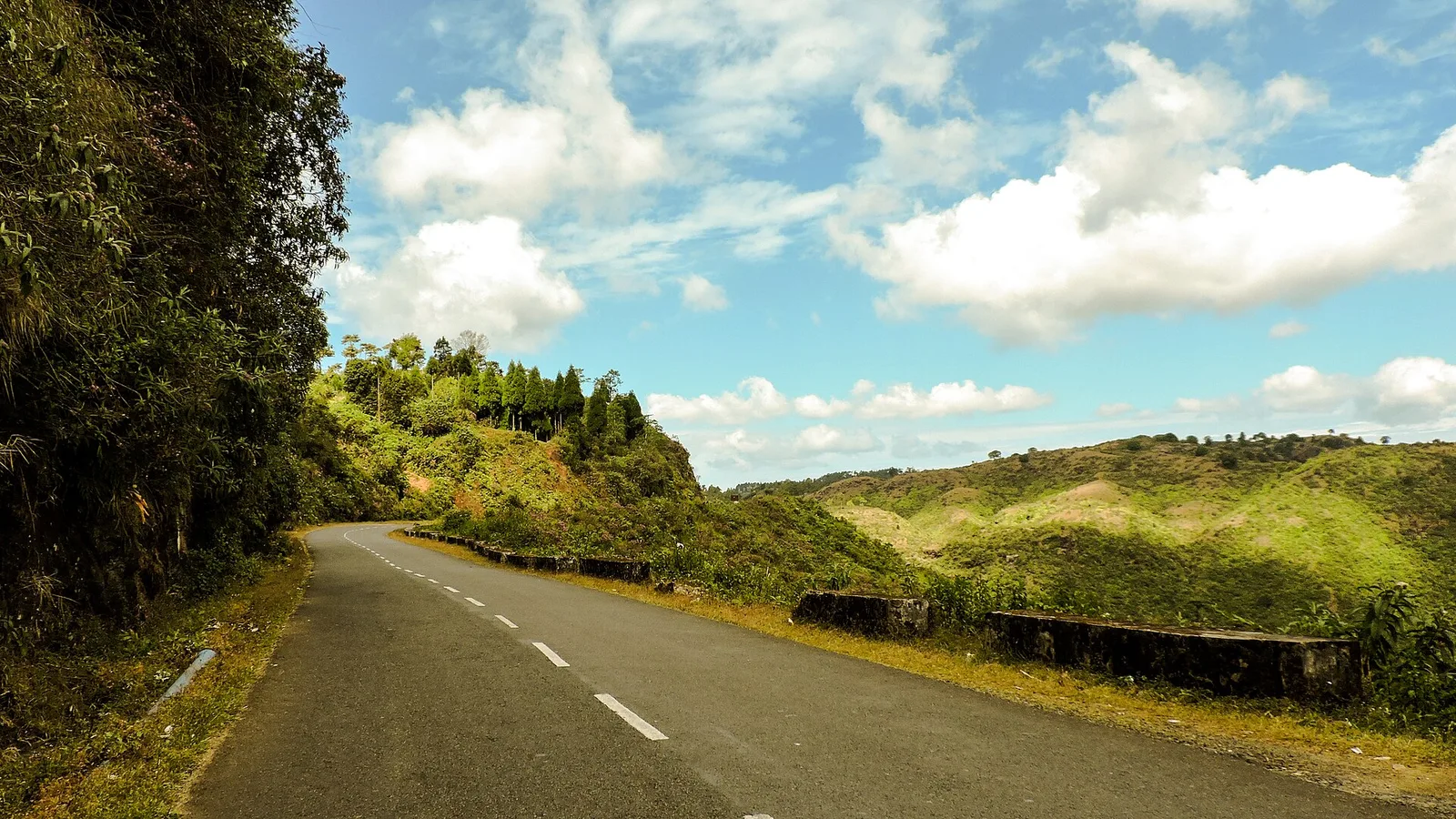
Distances are short but slow. Guwahati to Shillong is about 100 km and takes three to three and a half hours on NH6. Shillong to Sohra is roughly 55 km, and Shillong to Dawki about 82 km. A six-day Shillong, Cherrapunji and Dawki route is the shortest trip that covers all three without a rushed day.
| Month | Weather | What it is good for |
|---|---|---|
| October | Dry, 16-25°C, clear mornings | Waterfalls at full flow, green landscape, low crowds |
| November | Dry, 12-23°C, crisp | Festivals, cherry blossoms, water starting to clear |
| December | Cold nights, 5-20°C | Clearest Umngot river, Christmas in Shillong, peak rates |
| January | Coldest, 4-18°C | Clear skies, thin crowds after the first week |
| February | Cool, 8-22°C | Best all-round balance of weather and prices |
| March | Warming, 13-26°C | Trekking, orchids, first pre-monsoon showers late in the month |
Skip the planning, Meghalaya is ready.
3 plans built and priced by our team. Every one is free to customise.
View all plans
4 Nights 5 Days Meghalaya Honeymoon Itinerary: Shillong & Cherrapunji
5 Nights 6 Days Meghalaya Honeymoon Itinerary: Shillong, Cherrapunji & Dawki
5 Nights 6 Days Meghalaya Honeymoon Itinerary: Shillong & Cherrapunji
October and November: water at full volume
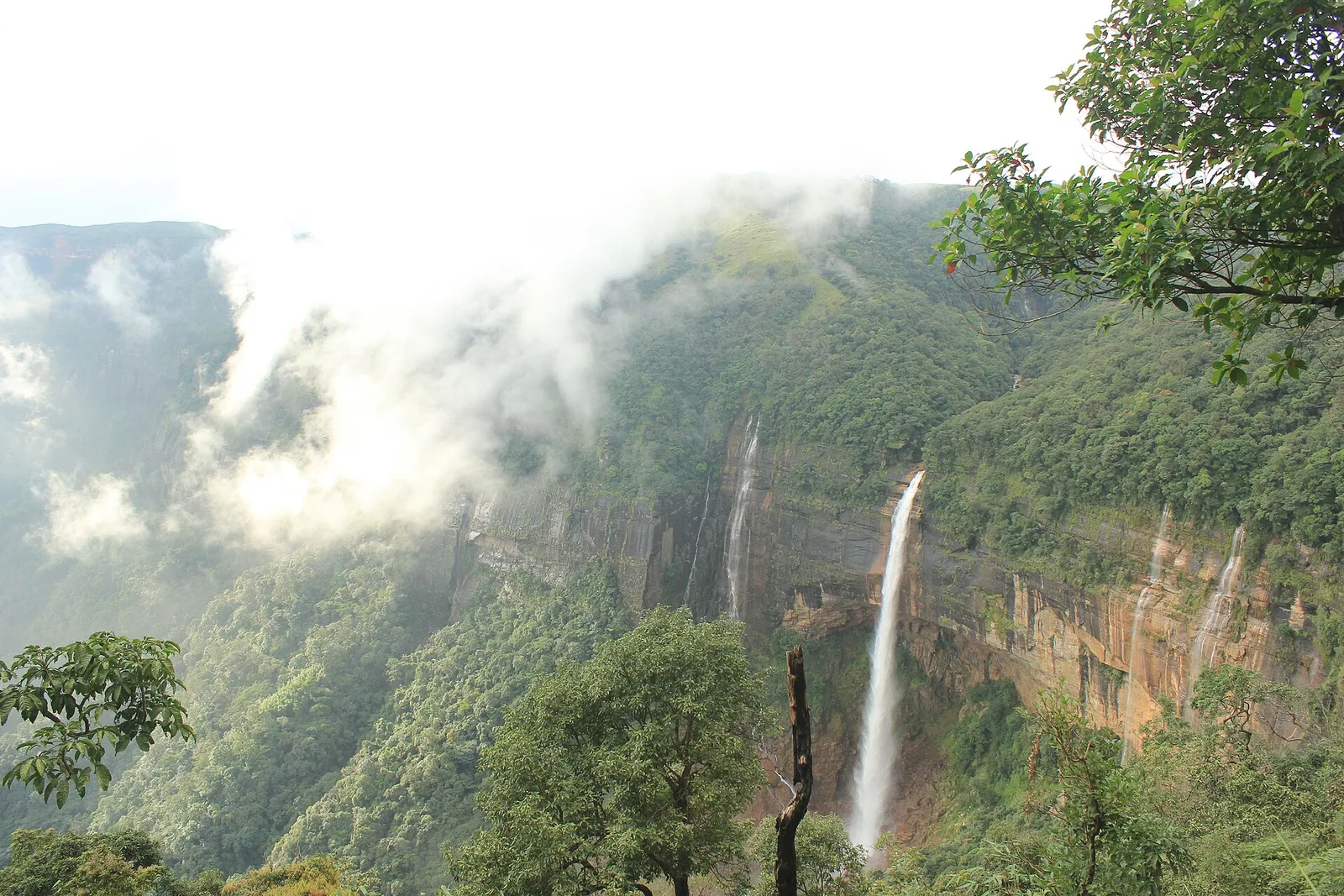
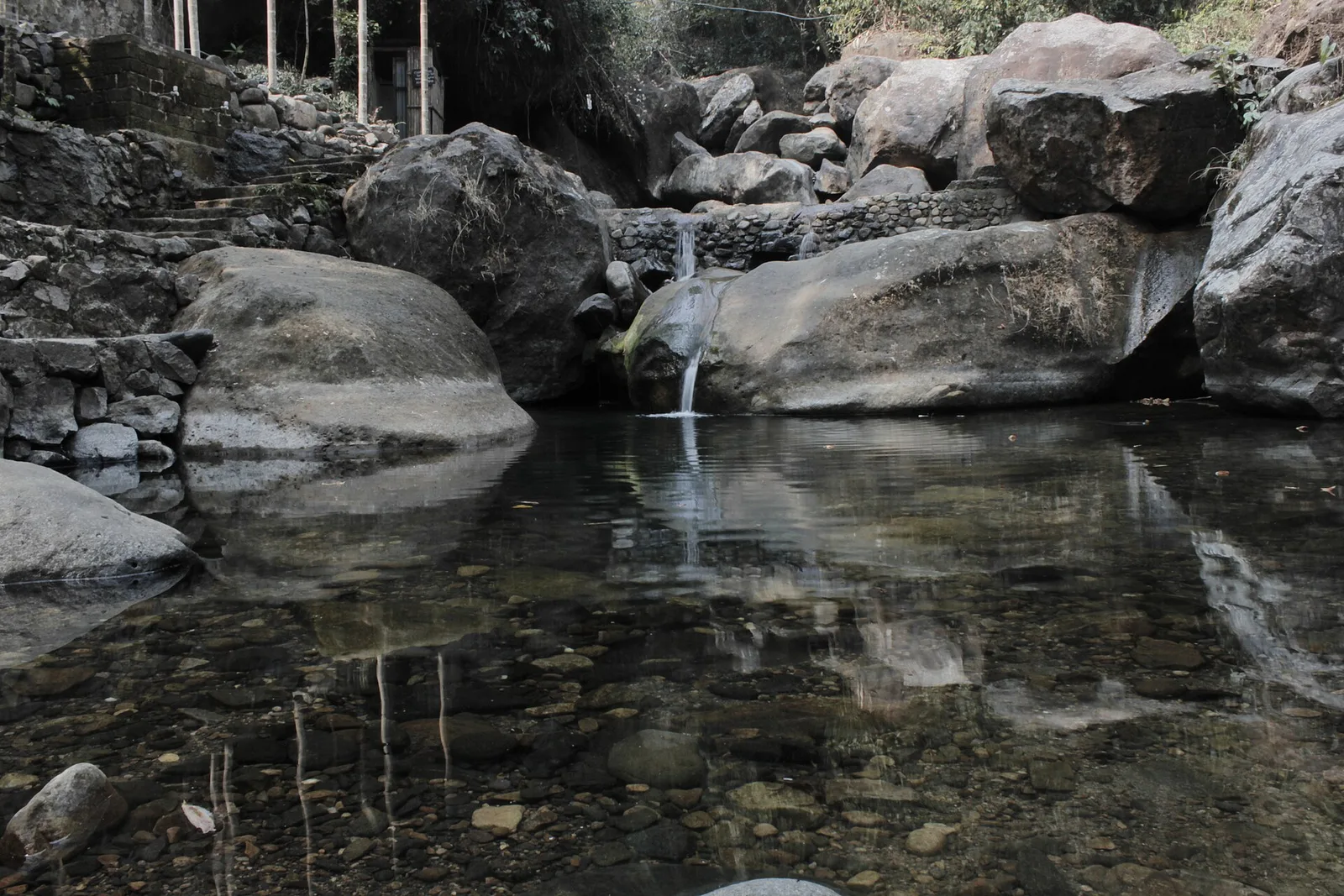
This is the strongest month pair if you came for waterfalls. Nohkalikai, Seven Sisters and Krang Suri near Jowai are still fed by monsoon groundwater in October, and the hills are as green as they get all year.
November adds the festival calendar. The Shillong Cherry Blossom Festival runs in the second half of the month, Wangala, the Garo harvest festival, fills Tura with drums, and the Shad Nongkrem dance takes place at Smit near Shillong. Dates shift each year, so confirm before you lock flights.
The catch is the Umngot at Dawki. In October it is often green-brown rather than transparent, because the river is still carrying silt. If clear water is the whole point of your trip, wait. If you want falls and forest, book a five-day Shillong and Cherrapunji trip and treat Dawki as optional.
December to February: cold nights, clear rivers
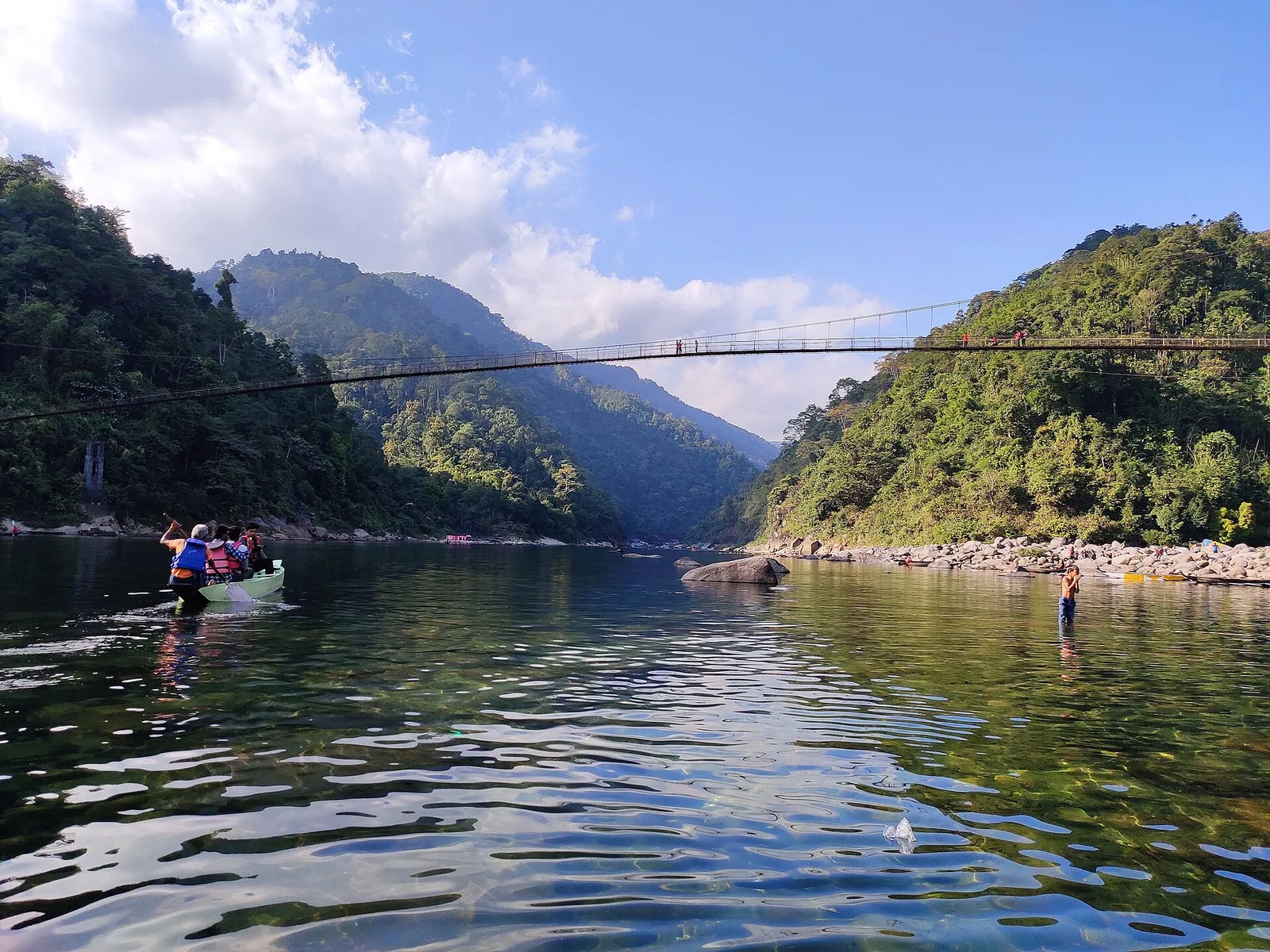
Winter is when the Umngot looks the way it does in photographs. From late November through March the silt settles and boats appear to float above the riverbed. February is the sweet spot: clear water, fewer people than December, mild afternoons.
Pack for real cold at night. Shillong drops to 4-8°C in December and January, and Sohra is windier still. Hotels in Meghalaya are rarely heated, so carry a fleece and a jacket rather than relying on the room.
December 20 to January 2 is the busiest fortnight of the year. Meghalaya is a largely Christian state and Shillong takes Christmas seriously, which is lovely and also means hotel rates in Police Bazar and Laitumkhrah rise sharply. Book six to eight weeks out. Our six-day Shillong and Cherrapunji itinerary starts from ₹33,200 per person as of September 2026, and that gap widens over New Year.
March, and the months to avoid
March is underrated. Days warm to 22-26°C, the water at Dawki is still clear, and the descent to the double-decker root bridge at Nongriat, about 3,000 steps down from Tyrna, is far less punishing than it is in the heat. Pre-monsoon showers usually start late in the month, so aim for the first three weeks.
April and May bring thunderstorms and rising humidity. June to September is the full monsoon: roads wash out, the Nongriat steps turn slick, leeches appear on the trails, and Dawki boating stops when the river is high. Come then only if heavy rain is the reason you are going.
If you have a fixed week and want it slotted into the right month, a six-day Shillong, Cherrapunji and Dawki plan starts from ₹27,900 per person as of September 2026 and is built to be reshuffled around your dates.
Meghalaya timing questions, answered
Which is the single best month to visit Meghalaya?
February. You get clear water at Dawki, dry trekking weather at Nongriat, daytime temperatures around 20°C, and none of the Christmas-week price spike. October is the better pick only if full-volume waterfalls matter more to you than clear rivers.
Is October a good time to visit Meghalaya?
Yes. The monsoon has ended, the hills are green, and Nohkalikai and Seven Sisters are still running hard. The trade-off is the Umngot river at Dawki, which often still carries monsoon silt in October and will not look transparent.
When is the Dawki river clearest?
Roughly late November to March, with December to February the most reliable. The clarity depends on rainfall upstream, so a heavy unseasonal shower can cloud the Umngot for a few days even in winter. Go in the morning, before the boats churn it up.
How cold does Shillong get in December?
Nights fall to about 4-8°C and days sit around 16-20°C. Sohra feels colder because of the wind. Hotels are usually unheated, so pack a fleece, a windproof jacket and warm socks rather than counting on a room heater.
Do Indian travellers need a permit for Meghalaya?
No. Meghalaya does not require an Inner Line Permit for Indian citizens, unlike Arunachal Pradesh or Nagaland. Carry a government photo ID for hotel check-ins and for the Dawki border area. Foreign nationals must register with the Foreigners Regional Registration Office.
How many days do you need in Meghalaya?
Five to six days from Guwahati is the workable minimum: two around Shillong, two in Sohra including Nongriat, and one for Dawki and Mawlynnong. Four days forces you to drop either the root bridge trek or Dawki.