Europe is the trip most Indian travellers plan twice: once in their head, and once for real, a year later, after the visa finally comes through. It does not have to work that way. The Schengen process is bureaucratic, not mysterious. Almost every refusal traces back to one of five or six fixable mistakes.
This guide covers the whole thing for an Indian passport holder: which of the 29 countries you apply to, what it costs in rupees, the exact document file, how early to start, what the new Entry/Exit System changed in 2026, and why 15.8% of Indian applications were refused last year.
If you are travelling within the next six months, read the section on appointment lead times first. That is usually the part that decides whether your dates survive.
In this guide
What a Schengen visa actually coversWhich country do you apply toThe 90/180 rule, in plain termsWhat a Schengen visa costs from IndiaThe document file, item by itemHow to apply, step by stepWhen to startEES and ETIAS: what changed and what did notWhy applications get refused, and what to do nextAfter the sticker is in your passportWhat a Schengen visa actually covers
The Schengen area is 29 European countries that have removed border checks between each other. One short-stay visa, a Type C, is the one almost every tourist gets. It lets you move through all 29 without showing your passport again after the first entry.
It is not an EU visa. The two lists overlap but they are not the same. Ireland and Cyprus are in the European Union and outside Schengen. Switzerland, Norway, Iceland and Liechtenstein are in Schengen and outside the EU. Bulgaria and Romania became full Schengen members on 1 January 2025, so their land and sea borders are open now too, not only their airports.
A Type C visa is for tourism, visiting family, business meetings and conferences, and it is capped at 90 days. If you are going to study for a semester, take a job, or stay longer than 90 days, you need a national long-stay visa, a Type D, from that one country. Different process, different queue, different guide.
| Group | Countries |
|---|---|
| Schengen area (29) | Austria, Belgium, Bulgaria, Croatia, Czechia, Denmark, Estonia, Finland, France, Germany, Greece, Hungary, Iceland, Italy, Latvia, Liechtenstein, Lithuania, Luxembourg, Malta, Netherlands, Norway, Poland, Portugal, Romania, Slovakia, Slovenia, Spain, Sweden, Switzerland |
| In the EU, not in Schengen | Ireland, Cyprus |
| In Europe, needs its own visa | United Kingdom, Turkey, Russia, Belarus |
| Often admit you on a valid multiple-entry Schengen visa (national rules, confirm before booking) | Albania, Bosnia and Herzegovina, Montenegro, North Macedonia, Serbia, Kosovo, Georgia, Cyprus |
That last row is worth knowing about. Several countries outside Schengen will admit an Indian passport holder who already holds a valid multiple-entry Schengen visa, which quietly turns a Europe trip into a cheaper two-country trip. These rules are national and they do change, so confirm on that country's own embassy site before you book. Our 8-day Vienna, Prague and Budapest itinerary stays entirely inside Schengen, which keeps the paperwork down to one file.

Which country do you apply to
You do not get to choose freely. The rule is written into the Schengen Visa Code and consulates enforce it.
Apply to the country where you spend the most nights. Six nights in Italy and four in France means you apply to Italy, even if you fly into Paris.
If the nights are tied, apply to the country you enter first. Five nights in Spain, five in Portugal, landing in Lisbon: apply to Portugal.
If you are visiting one country only, apply there. Obvious, and people still apply to whichever consulate has a free appointment. It is the fastest way to get refused. Consulates read your hotel bookings against your claimed main destination.
There is a real spread in how strict different missions are with Indian applicants. In 2025, refusal rates ran to 46.1% at Slovenia, 37% at Bulgaria and 33% at Greece, against an all-India average of 15.8%, while the most generous missions sat under 7%. That is a good reason to think about your route before you book hotels. It is not a reason to misdeclare it. Building a trip around a country whose consulate is predictable is legitimate. Claiming a main destination you never visit is not.
Some countries also make you register on their own portal before you can even book a submission slot. France-Visas for France, VIDEX for Germany. Start there, not at the visa application centre.
The 90/180 rule, in plain terms
A short-stay Schengen visa allows a maximum of 90 days inside the Schengen area in any rolling 180-day period. "Rolling" is the part people get wrong.
On any given day, count backwards 180 days. Add up every day you were inside Schengen in that window. If the total is 90 or less, you are legal. The clock does not reset on 1 January, and it does not reset when you fly home. It is a moving window that follows you.
Days count if you were inside the area at all. Your arrival day and your departure day each count as a full day. Time in Ireland, the UK or Turkey does not count, because those are outside the area.
Your visa sticker carries its own separate limits. Duration of stay is the number of days you may actually use. Validity is the window in which you may use them. A visa valid 1 October to 31 March with 30 days duration gives you 30 days somewhere inside those six months, not 180.
Overstaying is taken seriously and shows up as an entry ban, a refusal on your next application, or both. Since April 2026 the border system records your exact exit automatically, so the old grey area of a missing exit stamp no longer exists.
What a Schengen visa costs from India
The government fee is €90 for anyone aged 12 and over, €45 for children aged 6 to 11, and free for under-6s. It rose from €80 in June 2024. It is the same €90 whether you are issued a single-entry visa for nine days or a multiple-entry visa valid five years. The fee does not scale with what you get, which is why it is always worth asking for multiple entry.
You pay in rupees at the mission's own exchange rate, revised periodically, so treat the rupee figures below as close rather than exact.
| Item | Cost, as of September 2026 |
|---|---|
| Visa fee, applicants aged 12 and over | €90, charged in rupees at the mission's rate |
| Visa fee, children aged 6 to 11 | €45 |
| Children under 6 | Free |
| VFS Global or BLS service fee | Roughly ₹1,900 to ₹3,100 per applicant, varies by mission |
| Travel insurance, €30,000 medical cover | ₹1,000 to ₹3,000 for a 10-day trip |
| Photos, courier, SMS, optional premium lounge | ₹500 to ₹2,000 |
| Realistic all-in, per adult | ₹12,000 to ₹15,000 |
Nothing is refunded on a refusal. Indian applicants collectively wrote off a very large sum on refused applications in 2024 and 2025, which is the practical argument for spending one more evening on the file instead of another ₹12,000 on a second attempt.
The document file, item by item
Every mission publishes its own checklist and that is the one you download and follow. What is below is the common core. Roughly nine out of ten Indian tourist applications are built from exactly this.
Identity and form
- Passport valid at least three months beyond your planned exit from Schengen, issued within the last 10 years, with at least two blank pages.
- All old passports, especially ones carrying previous Schengen, UK, US, Japan or Australia visas. A used travel history is your strongest asset.
- The application form, completed and signed. Most missions want it filled on their portal and printed.
- Two photographs, 35 x 45 mm, white background, taken in the last six months. Indian passport photos are the wrong size. Get fresh ones made.
The trip
- Return flight reservation, held not paid. Do not buy tickets before the visa.
- Hotel bookings covering every single night, in the applicant's name. Gaps get questioned.
- A day-by-day itinerary that matches the hotels and the flights exactly.
- Travel insurance with at least €30,000 of medical cover, valid across all Schengen countries, including repatriation, for the full trip.
- A cover letter: who you are, why you are going, where, when, who is paying and when you return.
Money and ties to India
- Six months of bank statements, stamped and signed by the bank.
- Income tax returns for the last two or three years, plus Form 16.
- Salaried: three months of salary slips, an employment letter and approved leave.
- Self-employed: company registration or GST certificate, business bank statements and the business ITR.
- Students: bonafide certificate from the institution, plus the sponsor's full financial set and a sponsorship letter.
- Retired: pension statements and proof of investments.
- Minors: birth certificate, both parents' passports, and a notarised consent letter if the child travels with one parent or neither.
On funds, there is no single Schengen-wide number. Each country publishes its own daily reference amount, broadly in the €50 to €120 per person per day range, and the consulate reads it alongside your income rather than instead of it. As a planner's rule of thumb, we want a settled balance covering the whole trip cost plus a buffer, sitting in the account for at least three months. Money that appears the week before submission reads as borrowed.
How to apply, step by step
Work in this order. The appointment slot is the real constraint, not the paperwork, so find out how scarce slots are before you build the file.
Step 1: Fix the route and count the nights
Decide the countries and count nights per country. This determines which consulate you apply to, and changing it later means rebuilding the file.
Step 2: Book refundable, not paid
Hold flight reservations and free-cancellation hotels for the exact dates. Pay for nothing until the visa is in your hand.
Step 3: Check the appointment queue before anything else
Open the VFS or BLS site for that country and look at the earliest slot in your city. Between March and June that can be six to ten weeks out. If the queue does not fit your dates, this is the moment to reconsider the route, not three weeks from departure.
Step 4: Fill the form on the correct portal
France-Visas for France, VIDEX for Germany, or the mission's own system. Print, sign, and check every date against your bookings. One mismatched date is enough to trigger a query.
Step 5: Build the file in the checklist's order
Use the mission's own checklist as the running order of your folder. Originals plus one photocopy set. Bank statements stamped by the branch, not printed from net banking.
Step 6: Attend the appointment and give biometrics
Fingerprints and a photograph, taken at the centre. Biometrics stay valid for 59 months, so a repeat application inside that window may not need them again, though missions still call people in.
Step 7: Track, collect, then buy the tickets
You get an SMS or email when the passport is back at the centre. Collect it and check the sticker carefully: dates, duration of stay, number of entries. Only then pay for flights.
When to start
The formal window is wide. You may submit up to six months before travel and no later than 15 calendar days before. The practical window is much narrower.
Processing is 15 calendar days from the day the consulate receives a complete file, extendable to 45 days if they want more documents or a second look. That is the consulate's clock only. It does not include the days your passport spends in courier from the visa application centre, and it does not include the wait for an appointment.
Add it up for a July trip: four to ten weeks for a slot in the March to June rush, two to three days each way in transit, and 15 to 45 days at the consulate. Starting three months out is comfortable. Starting six weeks out is a gamble on somebody else's calendar.
The quiet months to apply are October to January. If your dates are flexible, a late-autumn or winter Europe trip is cheaper on hotels and far easier on the visa queue. The 8-day Vienna, Prague and Budapest route and the 12-day Barcelona and Madrid family itinerary both work well outside summer.
Skip the planning, Europe is ready.
6 plans built and priced by our team. Every one is free to customise.
View all plans
18 Nights 19 Days Europe Honeymoon Itinerary: Rome, Florence, Milan & More
6 Nights 7 Days Europe Family Itinerary: Zurich, Lucerne & Paris

11 Nights 12 Days Europe Group Trip Itinerary: Paris, Florence, Naples & More
17 Nights 18 Days Europe Honeymoon Itinerary: Paris, Nice, Sorrento & More
7 Nights 8 Days Europe Family Itinerary: Paris, Zurich & Interlaken
9 Nights 10 Days Europe Group Trip Itinerary: Paris, Florence & Rome
EES and ETIAS: what changed and what did not
Two new EU systems have been in the news for years. Only one of them is live, and only one of them affects an Indian passport.
EES is live
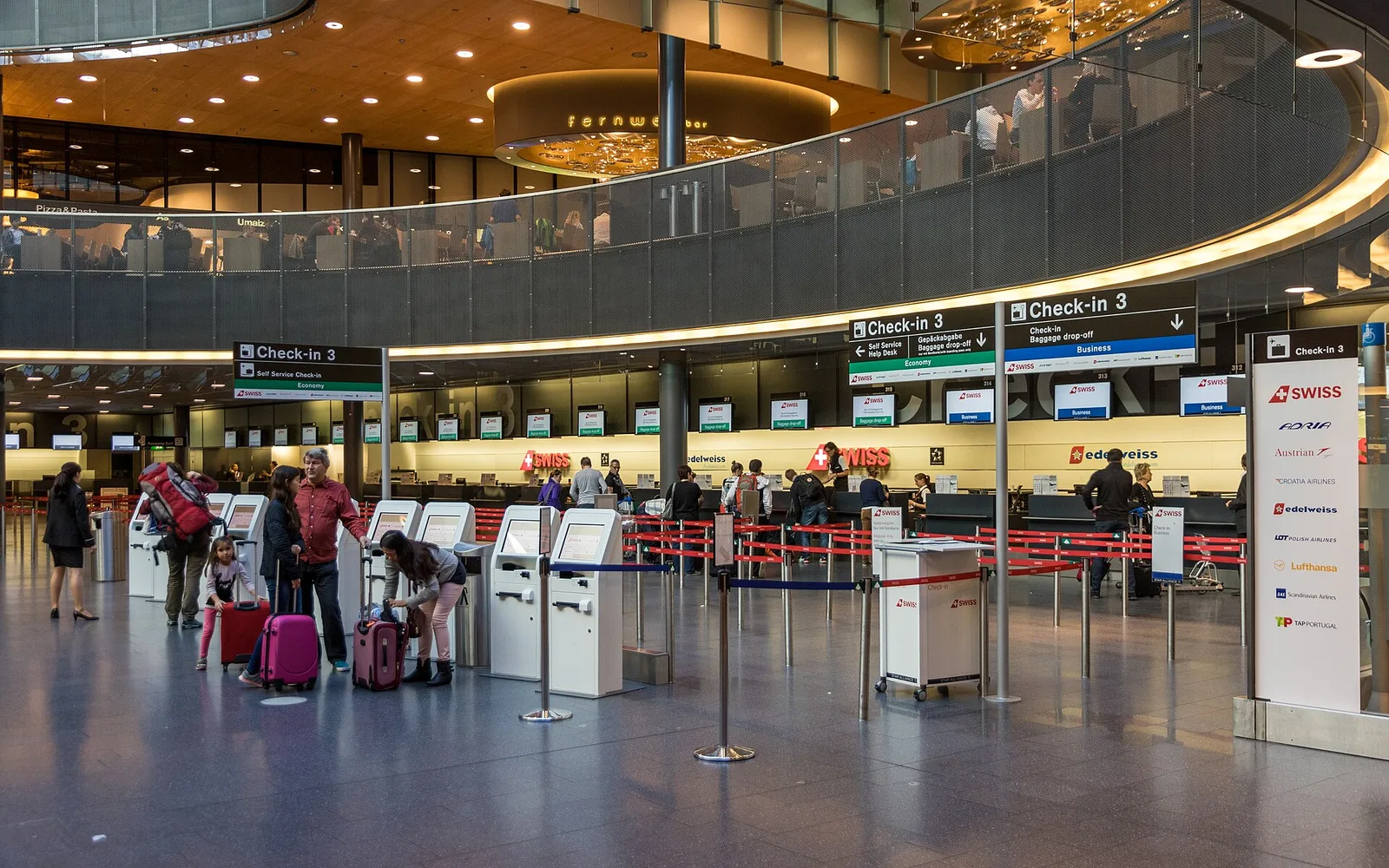
The Entry/Exit System has been operating at every Schengen external border since 10 April 2026, after a phased rollout that started on 12 October 2025. It replaces the passport stamp with a digital record. On your first entry you give four fingerprints and a facial image at the border, and the system then logs the date, place and direction of every crossing.
What that means in practice: your first arrival takes longer, so allow extra time on a tight connection and expect queues at Paris CDG, Frankfurt and Amsterdam in peak weeks. Your record is held for three years, so later entries are quicker. And your 90/180 count is now automatic and exact, which is the real change. Nobody is going to miss an overstay any more.
ETIAS does not apply to Indian passports
ETIAS is a travel authorisation for people who do not need a visa for Europe, such as British, American and Japanese passport holders. If you hold an Indian passport and need a Schengen visa, you do not need ETIAS and you will not be asked for one. Your visa is the authorisation.
It is also not live. The launch has moved repeatedly. As of September 2026 there is no confirmed operating date, with reporting pointing to 2027 and a further grace period after that. Ignore any website charging you for an ETIAS today.
Why applications get refused, and what to do next
Indian applicants filed more than 1.15 million Schengen applications in 2025. About 181,000 were refused, a non-issuance rate of 15.8%. The refusal letter arrives with tick-boxes, and the same four keep getting ticked.
The purpose and conditions of the stay were not justified. Your itinerary, hotels and flights do not tell one coherent story. A cover letter that reads like an actual plan, matched line for line to the bookings, fixes most of this.
Insufficient means of subsistence. The balance is thin for the trip you have described, or the income does not explain the balance, or the sponsor's relationship to you is not documented.
Your intention to leave before the visa expires could not be ascertained. This is the hard one, and it is about ties to India: a job you are on approved leave from, a business, property, dependants, a school-going child. Young, single, first-time travellers with no prior visas get this most often, and the answer is a stronger paper trail, not a longer letter.
Documents doubtful or unreliable. Anything unstamped, anything reformatted, anything an agent generated. Do not submit a dummy ticket from a site that mints PNRs.
If you are refused, you have two routes. Appeal within the deadline printed in your letter, usually 15 to 30 days, set by the deciding country, and lodged with that country rather than with the visa centre. Or reapply with the gap fixed. For most Indian applicants reapplying is faster, provided you can point at what changed: a longer bank history, a proper employer letter, a corrected main destination. Reapplying with the same file and hoping for a different officer does not work, and it costs another €90.

After the sticker is in your passport
Read the visa before you leave the centre. Four fields matter. Valid from and until is your window. Duration of stay is the number of days you may actually use, usually fewer than the window suggests. Number of entries: MULT means multiple, 01 means that once you leave the area the visa is spent. Valid for normally reads "Schengen states". If it names specific countries instead, your visa is territorially limited and you may not enter the others.
Carry the file with you. At the border you can be asked for the same documents you submitted: return ticket, hotel bookings, insurance and proof of funds. Keep a printed set in your cabin bag, not only on your phone.
A visa is permission to ask for entry, not a guarantee of it. The border officer makes the final call. In practice it is a two-minute conversation when your papers match your story.
Two India-specific notes. Buy an eSIM before you fly, because most Indian carriers' Europe roaming packs are poor value against a regional eSIM, and you will want data at the border to pull up booking references. And carry a card that works. Indian debit cards fail often at European ticket machines and unmanned fuel pumps, so travel with at least one international credit card plus a small amount of euro cash for day one.
If you want the trip built rather than only the paperwork, our team releases full Europe routes with hotels and transfers included. As of September 2026 those run from ₹1,14,700 per person for the 12-day Barcelona and Madrid family itinerary, ₹1,75,800 for the 10-day Paris, Florence and Rome group trip, up to ₹4,97,900 for the 19-day Rome, Florence and Milan honeymoon.
Schengen visa questions Indians actually ask
How long does a Schengen visa take from India?
Fifteen calendar days from the day the consulate receives a complete application, extendable to 45 days if they ask for more documents. That clock only starts after your appointment, and slots in Delhi, Mumbai and Bengaluru can be booked out six to ten weeks in peak season. Plan on three months from decision to passport in hand.
Can I apply without buying flight tickets?
Yes, and you should. Consulates ask for a flight reservation, not a paid ticket, plus hotel bookings you can cancel free. Buy nothing until the visa is issued. Avoid agencies selling fabricated PNRs, because a reservation that does not exist in the airline's system is treated as a doubtful document and can sink the whole application.
Can I apply if my passport has less than 6 months validity?
Usually yes. The Schengen rule is that your passport must be valid at least three months beyond the date you plan to leave the area, and have been issued within the last 10 years, so five months of validity can still work for a short trip. The catch is that a visa cannot outlive the passport, so a thin margin costs you any long multiple-entry validity. If you are close to the line, reissue the passport first.
Which Schengen country is easiest to get a visa from?
The question does not work the way people hope, because you must apply to the country where you spend the most nights. Refusal rates for Indian applicants in 2025 did vary sharply, from under 7% at the most generous missions to 46.1% at Slovenia, 37% at Bulgaria and 33% at Greece. Shape the route first; the consulate follows from it.
How much bank balance do I need for a Schengen visa?
There is no Schengen-wide figure. Each country sets its own daily reference amount, broadly €50 to €120 per person per day, and reads it against your income and your trip cost. A workable target is the full cost of the trip plus a buffer, sitting in the account for at least three months before you submit. Sudden deposits hurt more than a modest balance.
Do Indians need ETIAS?
No. ETIAS is for travellers who are visa-exempt for Europe. An Indian passport holder needs a Schengen visa instead, and that visa is the authorisation. ETIAS is also not operating as of September 2026, with the launch having slipped repeatedly and current reporting pointing to 2027. Any site charging you for an Indian ETIAS today is a scam.
Can I get a five-year multiple-entry Schengen visa?
Possibly. Since 18 April 2024 India has a favourable cascade arrangement: applicants who have lawfully used two Schengen visas in the previous three years can be issued a two-year multiple-entry visa, and later a five-year one, provided the passport has enough validity left. It is discretionary rather than automatic, and missions apply it differently. The 90/180 stay limit still applies.
What happens if my Schengen visa is refused?
You receive a written refusal with the reason ticked and an appeal deadline, usually 15 to 30 days, set by the deciding country. The €90 fee is not refunded. Appealing is worth it when the stated reason is factually wrong. Otherwise reapply, but only once you can show what changed: a longer bank history, a corrected main destination, a proper employer letter.